
The conversation around nutrition has gone mainstream. From viral trends like the “upside-down food pyramid” to the broader wellness push tied to movements like MAHA, clients are more curious than ever about what they’re putting into their bodies.
For personal trainers, this presents both an opportunity—and a responsibility.
Clients trust you. They see you as an authority on health, performance, and results. Naturally, that trust extends into questions about supplements. But how you respond can either elevate your credibility—or expose your business to risk.
This guide breaks down the most common supplement questions clients ask, how to answer them professionally, and how to position yourself as a trusted expert without stepping outside your scope of practice.
Why Supplement Conversations Matter More Than Ever
Today’s clients are no longer passive participants. They’re researching ingredients, comparing brands, and asking deeper questions:
- “Do I really need protein powder?”
- “Is creatine safe?”
- “What supplements actually work?”
This shift is driven by a broader awareness of nutrition science, the influence of social media, and a growing skepticism of traditional dietary advice.
For trainers, this means:
- More opportunities to build trust
- More chances to differentiate your brand
- More potential liability if handled incorrectly
Handled well, supplement conversations can lead to stronger client relationships, referrals, and long-term retention.
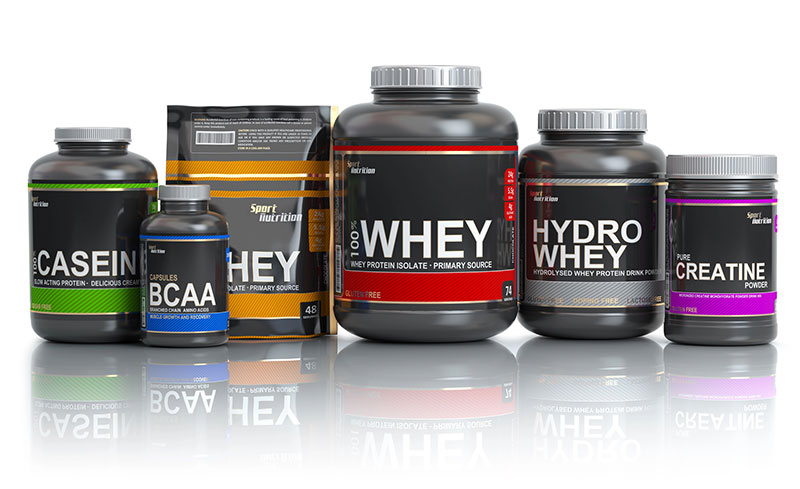
First Rule: Stay Within Your Scope
Before diving into specific supplements, it’s critical to understand your role.
Unless you are a licensed dietitian or medical professional, your guidance should stay within general education—not prescription.
A helpful framework:
- You CAN: Share general information, explain how supplements work, and discuss widely accepted benefits
- You SHOULD NOT: Diagnose deficiencies, prescribe supplements, or recommend treatment for medical conditions
This distinction protects both your client—and your business.
If needed, refer clients to a registered dietitian or physician.
Pro tip: Position yourself as a “guide,” not a “prescriber.”
The Most Common Supplement Questions (and Smart Responses)
Let’s break down what clients are asking—and how to respond in a way that builds authority and trust.
1. “Do I Need Protein Powder?”
What they’re really asking:
“Am I getting enough protein—and is this the easiest way?”
Smart response:
“Protein powders can be a convenient way to help meet your daily protein needs, especially if you’re busy or training frequently. But they’re not required—whole foods like chicken, fish, eggs, and legumes can absolutely get you there too.”
Why this works:
- Educates without prescribing
- Reinforces fundamentals (whole foods first)
- Positions you as balanced and practical
2. “Is Creatine Safe?”
What they’re really asking:
“Will this harm me—and is it worth it?”
Smart response:
“Creatine is one of the most researched supplements out there and is generally considered safe for healthy individuals when used as directed. It’s often used to support strength and performance. That said, it’s always a good idea to check with your doctor if you have any health concerns.”
Why this works:
- References research without making medical claims
- Encourages personal responsibility
- Builds credibility through measured language
3. “What Fat Burners Actually Work?”
What they’re really asking:
“Can I shortcut fat loss?”
Smart response:
“Most fat burners offer minimal results compared to consistent training, nutrition, and sleep. Some may slightly increase energy or metabolism, but they’re not a replacement for the basics.”
Why this works:
- Sets realistic expectations
- Protects your credibility
- Reinforces your value as a coach
4. “Should I Take Vitamins?”
What they’re really asking:
“Am I missing something in my diet?”
Smart response:
“Vitamins can help fill gaps in your nutrition, but they’re not a substitute for a balanced diet. If you’re eating a variety of whole foods, you may already be covering most of your needs.”
Why this works:
- Encourages better habits
- Avoids over-reliance on supplements
- Keeps your advice grounded and responsible
5. “What Supplements Do YOU Take?”
What they’re really asking:
“What should I take?”
Smart response:
“I keep things pretty simple—focusing on training, nutrition, and recovery first. Any supplements I use are just to support those basics, not replace them.”
Why this works:
- Avoids direct recommendation
- Positions you as disciplined and principle-driven
- Keeps the focus on fundamentals
How These Conversations Build Your Brand
Every supplement question is a chance to reinforce your positioning.
When you respond with clarity, honesty, and professionalism, you become:
- A trusted advisor—not a salesperson
- A long-term partner—not a quick fix
- A referral-worthy professional
Clients remember how you make them feel. When your guidance is balanced and thoughtful, they’re more likely to:
- Refer friends and family
- Stay longer
- Trust your programs
That’s brand equity—built one conversation at a time.
Risk Management: Protecting Your Business
Here’s where many trainers get it wrong.
Casual supplement advice can quickly cross into liability territory—especially if a client experiences a negative reaction or misunderstands your guidance.
To protect yourself:
- Use clear, non-prescriptive language
- Avoid recommending specific brands or dosages
- Document important client conversations when needed
- Carry professional liability coverage
If you’re unsure where the line is, this guide on personal trainer liability insurance can help clarify how coverage supports your day-to-day interactions.
Additionally, organizations like the National Institutes of Health provide evidence-based information on supplements you can reference when educating clients.
Turning Knowledge into Opportunity
Supplement conversations don’t need to be avoided—they need to be handled strategically.
Here’s how to turn them into growth opportunities:
1. Create Educational Content
Write blog posts, social captions, or short videos addressing common supplement myths.
2. Use “Guided Conversations”
Instead of giving answers, ask questions:
- “What are you hoping this will help with?”
- “What have you heard so far?”
3. Build a Referral Network
Partner with dietitians or nutrition professionals to provide deeper guidance when needed.
4. Stay Consistent in Your Messaging
Your stance should always reinforce:
- Fundamentals first
- Supplements as support—not solutions
Final Thoughts: Be the Voice Clients Trust
The supplement industry is noisy, confusing, and often misleading.
That’s exactly why your role matters.
You don’t need to know everything—you just need to:
- Stay within your scope
- Communicate clearly
- Prioritize your client’s long-term success
Do that consistently, and you’ll stand out in a crowded market—not just as a trainer, but as a trusted authority.
FAQs
Q: Can personal trainers recommend supplements?
A: Trainers can provide general education but should avoid prescribing or diagnosing. Referring to licensed professionals is recommended when needed.
Q: What’s the safest supplement to start with?
A: It depends on the individual. Generally, focusing on whole nutrition first is the safest approach.
Q: Are supplements necessary for results?
A: No. Most results come from consistent training, proper nutrition, and recovery.


