
As nutrition trends continue to dominate social media feeds and wellness conversations, clients are paying more attention to what they eat than ever before. From the rise of the “Make America Healthy Again” movement to growing awareness around ultra-processed foods, many fitness clients are actively searching for healthier ways to fuel their bodies.
But here’s the challenge: motivation is easy on Monday morning. Consistency is harder by Thursday night.
That’s where personal trainers and fitness professionals can stand out. Clients don’t just want workout plans anymore — they want realistic guidance they can actually apply in everyday life. The trainers who help simplify healthy eating often build stronger client relationships, improve retention, and earn more referrals through trust and results.
The good news? Meal prep doesn’t need to be complicated, expensive, or time-consuming to work.
Below are practical, sustainable meal prep hacks clients will actually follow — and that fitness professionals can confidently recommend.
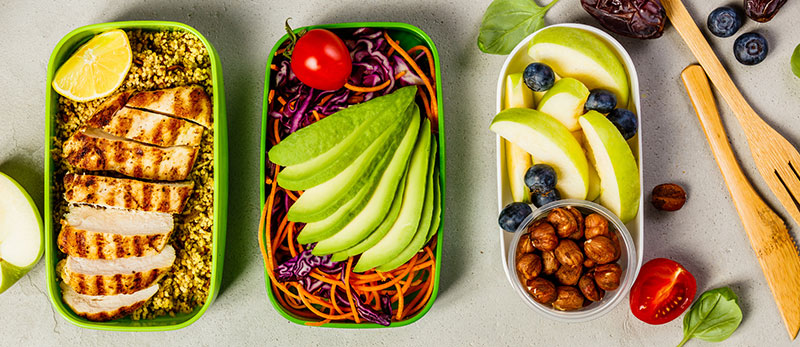
Why Meal Prep Still Matters
Healthy eating typically fails for one simple reason: convenience.
When clients are tired, busy, stressed, or short on time, they default to whatever is easiest. Meal prep helps remove daily decision fatigue and creates a system that supports better choices automatically.
Research from the Academy of Nutrition and Dietetics shows that planning meals ahead of time can improve dietary consistency, portion awareness, and long-term adherence to healthy eating habits.
For trainers, discussing realistic nutrition habits can also strengthen your role as a trusted wellness resource — without stepping outside your professional scope.
1. Start With “Prep Ingredients,” Not Full Meals
One of the biggest reasons clients quit meal prep is burnout.
Preparing 14 identical chicken-and-rice containers every Sunday is not realistic for most people. Instead, encourage clients to prep flexible ingredients they can mix and match throughout the week.
Examples include:
- Grilled chicken or turkey
- Washed and chopped vegetables
- Cooked rice or quinoa
- Hard-boiled eggs
- Overnight oats
- Greek yogurt cups
- Pre-portioned snacks
This approach gives clients variety while still reducing cooking time during the week.
Why It Works
Ingredient prepping feels less restrictive. Clients can create different meals using the same core foods, which improves long-term consistency and satisfaction.
2. Use the “2-2-2 Method”
Many clients get overwhelmed trying to completely reinvent their diet overnight.
A simpler strategy is the “2-2-2 Method”:
- 2 proteins
- 2 vegetables
- 2 carbohydrates
That’s it.
For example:
| Protein | Vegetables | Carbohydrates |
| Chicken | Broccoli | Rice |
| Ground turkey | Bell peppers | Sweet potatoes |
With only six ingredients, clients can create multiple meal combinations without overthinking.
This system is approachable for beginners and dramatically reduces grocery shopping stress.
3. Focus on Convenience Foods That Are Still Healthy
Many clients assume “healthy eating” means making everything from scratch. In reality, convenience often determines success.
Fitness professionals can help remove the all-or-nothing mindset by recommending healthy shortcuts such as:
- Frozen vegetables
- Rotisserie chicken
- Microwaveable brown rice
- Bagged salads
- Pre-cut fruit
- Low-sugar protein shakes
- Single-serve tuna packets
According to Harvard T.H. Chan School of Public Health, healthy eating patterns are built around consistency and food quality — not perfection.
Clients are far more likely to stick with a nutrition plan that feels manageable.
4. Teach Clients to Build “Emergency Meals”
Life happens. Schedules change. Meal prep gets skipped.
That doesn’t mean clients need to derail their progress.
Encourage clients to create a short list of healthy “emergency meals” they can rely on during busy days.
Examples:
- Protein smoothie + banana
- Greek yogurt + berries + granola
- Turkey wrap with spinach
- Eggs and avocado toast
- Pre-made salad with grilled chicken
- Cottage cheese with fruit
Having backup options reduces the likelihood of fast-food binges or skipped meals.
This also positions trainers as practical problem-solvers rather than unrealistic perfectionists.
5. Encourage Clients to Prep Only 2-3 Days at a Time
Many people abandon meal prep because they try to prepare an entire week’s worth of food at once.
A better approach is preparing meals in smaller batches every few days.
Benefits include:
- Fresher food
- Less waste
- More variety
- Reduced overwhelm
- Easier scheduling
For busy clients, even prepping lunches for Monday through Wednesday can create meaningful improvements.
Remember: sustainable habits beat extreme systems every time.
6. Use Visual Portion Guidelines
Clients often struggle with portion control because tracking calories feels intimidating.
Simple visual cues can make healthy eating easier:
- Palm = protein
- Fist = vegetables
- Cupped hand = carbohydrates
- Thumb = healthy fats
This method is especially helpful for clients eating at restaurants or on the go.
The Precision Nutrition portion guide has become popular among fitness professionals because it simplifies nutrition without obsessive tracking.
7. Make Breakfast Automatic
One overlooked meal prep strategy is simplifying breakfast.
Clients who start the day with balanced nutrition often make better food choices later in the day.
Easy grab-and-go breakfast ideas include:
- Overnight oats
- Egg muffins
- Protein smoothies
- Greek yogurt parfaits
- Cottage cheese bowls
- Peanut butter toast with fruit
Encourage clients to repeat the same breakfast several days per week. Reducing morning decisions can improve adherence dramatically.
8. Help Clients Create a “Healthy Default”
Most people eat the same handful of meals repeatedly. Instead of fighting that reality, trainers can help clients improve their defaults.
Examples of upgraded defaults:
| Old Default | Healthier Default |
| Fast food burger combo | Turkey burger with side salad |
| Sugary cereal | Protein oatmeal |
| Soda | Sparkling water |
| Chips | Popcorn or roasted chickpeas |
| Takeout pizza | Homemade flatbread pizza |
The goal isn’t perfection. It’s improving the baseline.
Clients who adopt healthier defaults usually experience better energy, improved recovery, and more consistent results.
9. Use Technology to Simplify Planning
There are countless meal planning apps available today that can make healthy eating easier.
Popular options include:
These tools can help clients:
- Build grocery lists
- Track protein intake
- Save recipes
- Monitor consistency
- Reduce guesswork
For trainers, recommending simple tools can increase accountability while strengthening your expert positioning.
10. Avoid Overcomplicated Nutrition Advice
One of the fastest ways clients give up is when nutrition feels too restrictive or confusing.
Instead of pushing extreme diets, focus on foundational habits:
- Eat more whole foods
- Prioritize protein
- Drink more water
- Reduce ultra-processed foods
- Prepare meals ahead of time
- Stay consistent
Clients are already overwhelmed with conflicting advice online. Trainers who simplify nutrition often become trusted long-term resources.
Building Trust Through Practical Coaching
Today’s clients are looking for more than workouts. They want guidance that fits real life.
Fitness professionals who offer practical, approachable meal prep strategies can:
- Improve client retention
- Build stronger relationships
- Increase referrals
- Position themselves as wellness experts
- Support better client outcomes
Even simple nutrition conversations can elevate the client experience and strengthen your reputation as a professional.
Of course, working closely with clients also means understanding the importance of protecting your business professionally.
That’s why many fitness professionals choose API Fitness for liability coverage designed specifically for personal trainers and fitness professionals. Whether you work in-person, online, or in a hybrid setting, having proper protection helps you focus on what matters most: supporting your clients with confidence.
You can also explore additional resources from the API Fitness Blog, including:
- “5 Revenue Streams Every Personal Trainer Should Consider”
- “Where Fitness Is Headed in 2026: Risks and Opportunities for Trainers”
- “Supplements 101: What Clients Ask Most and How to Respond”
Final Thoughts
Healthy eating doesn’t need to be perfect to be effective.
The most successful meal prep systems are the ones clients can realistically maintain during busy schedules, stressful weeks, and everyday life. By helping clients simplify nutrition instead of overcomplicating it, fitness professionals can create stronger relationships and more sustainable results.
At the end of the day, clients remember coaches who make healthy living feel achievable.
And that kind of trust is one of the most valuable tools any fitness professional can build.


