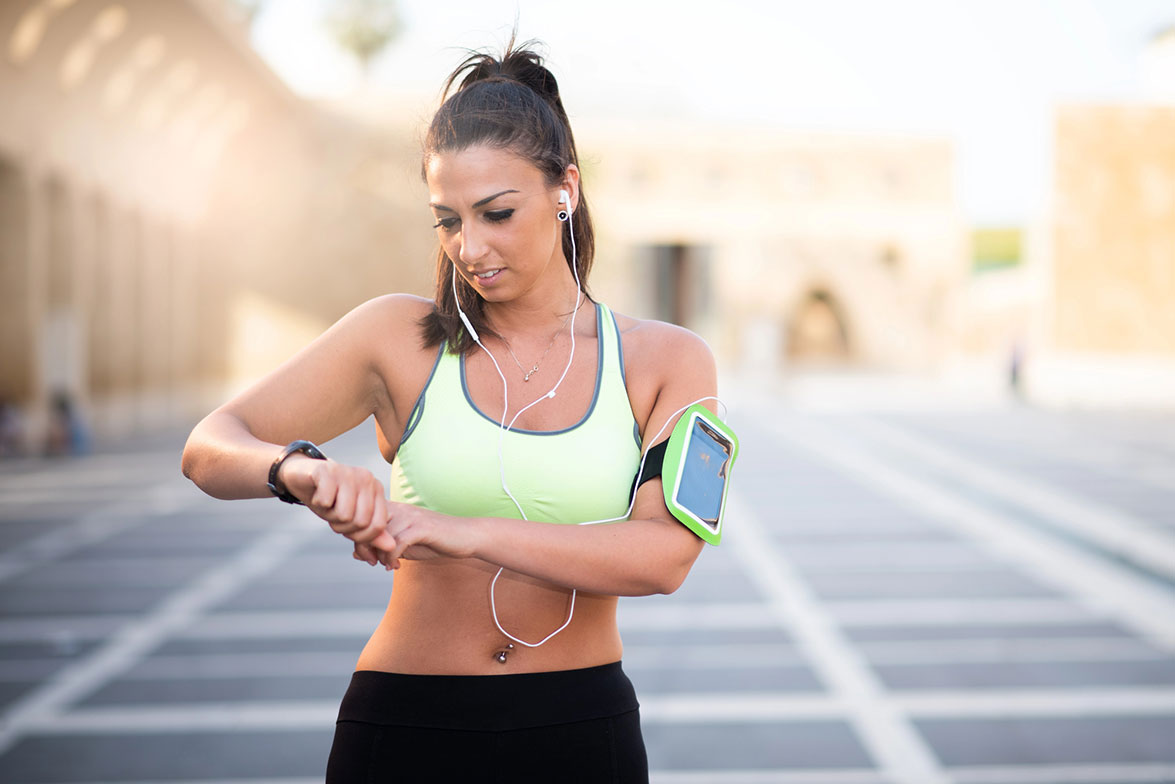
Over the years, technology has quite remarkably reshaped how fitness professionals approach training. There are many digital tools that help in client scheduling, program delivery, etc, and are part of the daily workflow of fitness professionals. There’s another technology that has taken hold– wearable tech.
Across the fitness industry, many fitness instructors now integrate wearable fitness tech into training programs. Moreover, fitness trainers are also using them to collect real-time data on heart rate, recovery, and activity levels to adjust and modify plans, as per the real-time available data.
This isn’t just a passing trend. If you are also a fitness trainer who is focused on the results and client safety, wearable tech for fitness can make your job a lot easier. Let’s discuss how!
How Wearable Tech is Game-Changing for Personal Trainers
Wearable fitness tech has gone from optional gadgets to essential performance tools. For fitness trainers, they offer continuous access to biometric data for smarter programming, improved client compliance, and stronger professional protection.
Real-Time Client Data
Wearables like WHOOP, Garmin, and Apple Watch deliver real-time metrics such as heart rate zones, training load, HRV, and resting heart rate. During sessions, fitness trainers can monitor if clients are hitting their target intensity, e.g., 70–85% max HR for fat burn or VO2 max work, and scale efforts up or down in real time.
Post-session, data like recovery scores and strain levels allow fitness trainers to track stress accumulation over the week. This is especially useful for concurrent training models of strength and cardio. This visibility helps prevent non-functional overreaching and aligns with principles from NSCA and ACSM programming guidelines.
Personalized Program Adjustments
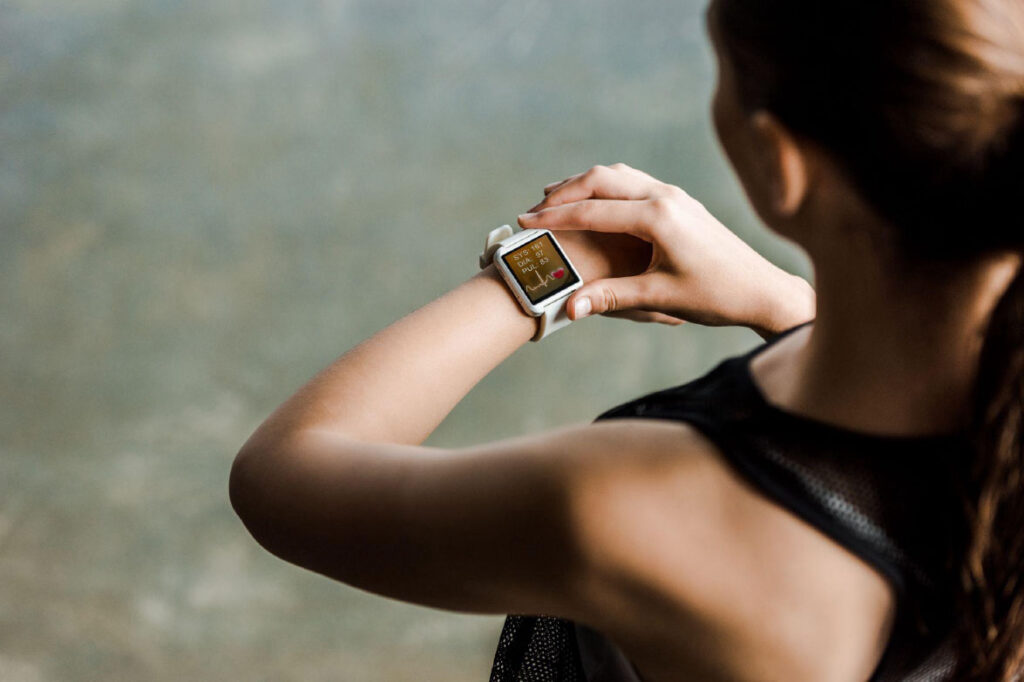
Instead of relying on subjective RPE or client feedback alone, fitness professionals can now use objective recovery markers like sleep efficiency, HRV trends, and respiratory rate to modify microcycles. For example, a client showing poor overnight recovery can shift from max-effort lifts to submaximal tempo work or active recovery.
Wearable insights support auto-regulation, a core principle in individualized training. They also help trainers apply daily undulating periodization more accurately, adjusting volume and intensity based on real-world physiological readiness, not assumptions.
Accountability & Compliance
When wearables log step counts, caloric burn, and cardio adherence, e.g., 30 mins @ 65% HR zone, clients know they’re being tracked, which drives consistency. Many platforms like Trainerize or TrueCoach now sync directly with wearables, providing fitness trainers with key fitness data.
This data also helps cover compliance from a legal and insurance standpoint. If a trainer faces a claim of negligence, having a record of client readiness scores, exercise logs, and training notes, synced with wearable data, supports due diligence. It complements personal training liability insurance by documenting that progression and safety protocols were followed.
Effective Remote Training
Wearable fitness tech bridges the gap between in-person and online sessions by providing asynchronous data feedback. Fitness trainers can remotely monitor a client’s training intensity, cardio zone compliance, and daily step count, without needing live supervision. There are tools like Polar Flow or WHOOP Coach Dashboard that let you track recovery trends.
In hybrid models, fitness wearables help in program adherence and quality control. A fitness trainer can assign a Zone 2 steady-state run and verify if the client stayed within the 60–70% max HR range. This data-driven accountability removes guesswork and allows trainers to build a successful online coaching business.
Long-Term Client Progress Tracking
Wearable fitness tech creates a running archive of objective client data, which is ideal for longitudinal tracking. Metrics like VO2 max estimates, resting heart rate, HRV trends, and sleep quality scores reveal how a client is adapting over 6–12 week mesocycles. This supports evidence-based progress reviews during reassessments.
A fitness trainer can use periodized programs like linear, undulating, or block periodization. This helps validate the data on whether adaptations are happening as expected. For example, improvements in average HR during a benchmark workout can confirm that training loads are balanced. This robust tracking also helps in long-term fitness client engagement.
How Trainers Can Use Wearable Tech Effectively
If a fitness trainer knows how to use wearable fitness tech effectively, it can provide valuable data. That valuable data lets you apply the data effectively, and that’s what separates great coaches from average ones. Here are four specific ways where you can integrate wearable fitness tech.
Wearable Tech in Client Assessment
Use initial wearable data to establish a physiological starting point. This allows for a more informed assessment than movement screens alone. For example, consistently low HRV or poor sleep trends may suggest beginning with lower training frequency or intensity.
Once baseline metrics are set, you can build a phased program that aligns with individual recovery capacity. During training cycles, wearable feedback helps reinforce periodization choices by showing when clients are adapting.
Integrate with Coaching Platforms
Connect wearables like Fitbit, Apple Watch, Garmin, or WHOOP with coaching apps such as Trainerize, TrueCoach, or Everfit. These platforms can sync data such as sleep duration, steps, calories burned, and heart rate zones directly into client dashboards.
This integration saves time on check-ins, removes guesswork, and enables more precise remote adjustments. For example, if the app shows a client consistently underperforming on cardio assignments, you can review HR zone data to adjust intensity prescription.
Real-Time Feedback in Training
In high-volume or group settings, tools like MyZone and Polar Club let trainers display live heart rate zone metrics on-screen during sessions. This provides instant feedback to clients while ensuring they remain within safe intensity thresholds.
It also helps with group programming diversity, allowing you to coach both beginners and advanced clients in the same session by tracking individualized effort. You can group participants by similar training heart rate zones or adjust intervals based on live data.
Data for Injury Risk Management
Recovery metrics like HRV trends, sleep quality, and training strain are especially valuable for spotting signs of overreaching or under-recovery. If a client’s WHOOP recovery score is consistently below 40% or sleep debt accumulates, you can proactively adjust their plan to include deloads or mobility-based sessions.
This also supports trainer liability protection. Documenting that you made program modifications based on data shows responsible coaching. In case of injury or insurance claims, wearable data offers evidence that you monitored recovery and avoided pushing clients beyond safe limits.
How To Choose the Right Wearable Fitness Tech
Not every wearable is right for every client. Choosing the best device depends on the client’s training goals, their comfort with tech, budget constraints, and how well the device integrates with your coaching tools. Here’s how to match the right tech to the right client:
- New to Fitness: Choose simple devices like the Fitbit Inspire or Apple Watch SE that focus on steps, heart rate, and activity reminders, which are ideal for habit building without overwhelming data.
- Endurance Athletes: Go with high-accuracy GPS watches like the Garmin Forerunner or COROS Pace, which provide advanced metrics like VO2 max, cadence, and training load.
- Weight Loss Clients: Go for the wearables that integrate calorie tracking and activity goals, such as the Fitbit Charge or Apple Watch, and pair them with nutrition apps like MyFitnessPal.
- Rehab or Injury Prevention Clients: Devices like WHOOP or the Oura Ring help monitor recovery, HRV, and sleep quality, which are key for load management and minimizing reinjury risk.
Wearable Tech and Personal Training Insurance
Wearable data helps fitness trainers in monitoring training load balance, movement frequency, and even cardiovascular strain during high-intensity sessions. For example, if you notice a client’s chronic under-recovery between strength days or sustained time in anaerobic zones, you can suggest rest periods to reduce joint and soft tissue stress.
This kind of continuous oversight is good for professional protection. In the event of an injury or dispute during training, wearable data acts as an objective record of your training decisions. By showing how you adjusted volume, rest, or modality based on measurable feedback, you strengthen your position in case of a liability claim. This makes wearable fitness tech a smart complement to personal training insurance.
Conclusion
Wearable fitness tech has now become a key tool for precision coaching, client retention, and managing risk—essential for those seeking the best personal trainer insurance. Whether you’re programming for endurance, recovery, or general fitness, these devices provide the physiological feedback needed to coach with clarity and confidence. By incorporating wearable tech, trainers can demonstrate proactive risk management, a crucial factor when considering the best personal trainer insurance options available.
But even the best data can’t replace professional protection. Just like certification validates your skills, personal trainer insurance safeguards your career. That’s why top trainers choose API Fitness—trusted by elite coaches for comprehensive, affordable coverage.
For a limited time, get your first-year policy for just $60. Get started today with API Fitness—protection to be your best.


